Scar Treatment Optionsin North Vancouver

Scars can develop after acne, injury, surgery, burns, or other skin changes. Their appearance can vary widely, from uneven texture and indented areas to flat marks, raised scars, or changes in skin colour. At Nuevo Skin Lab, scar treatment begins with an assessment of the scar type, location, age, skin characteristics, treatment history, and goals. Selected aesthetic treatments may be considered for some texture and scar-related concerns, but they are not appropriate for every scar or a substitute for medical assessment where needed.

What Are Scars?
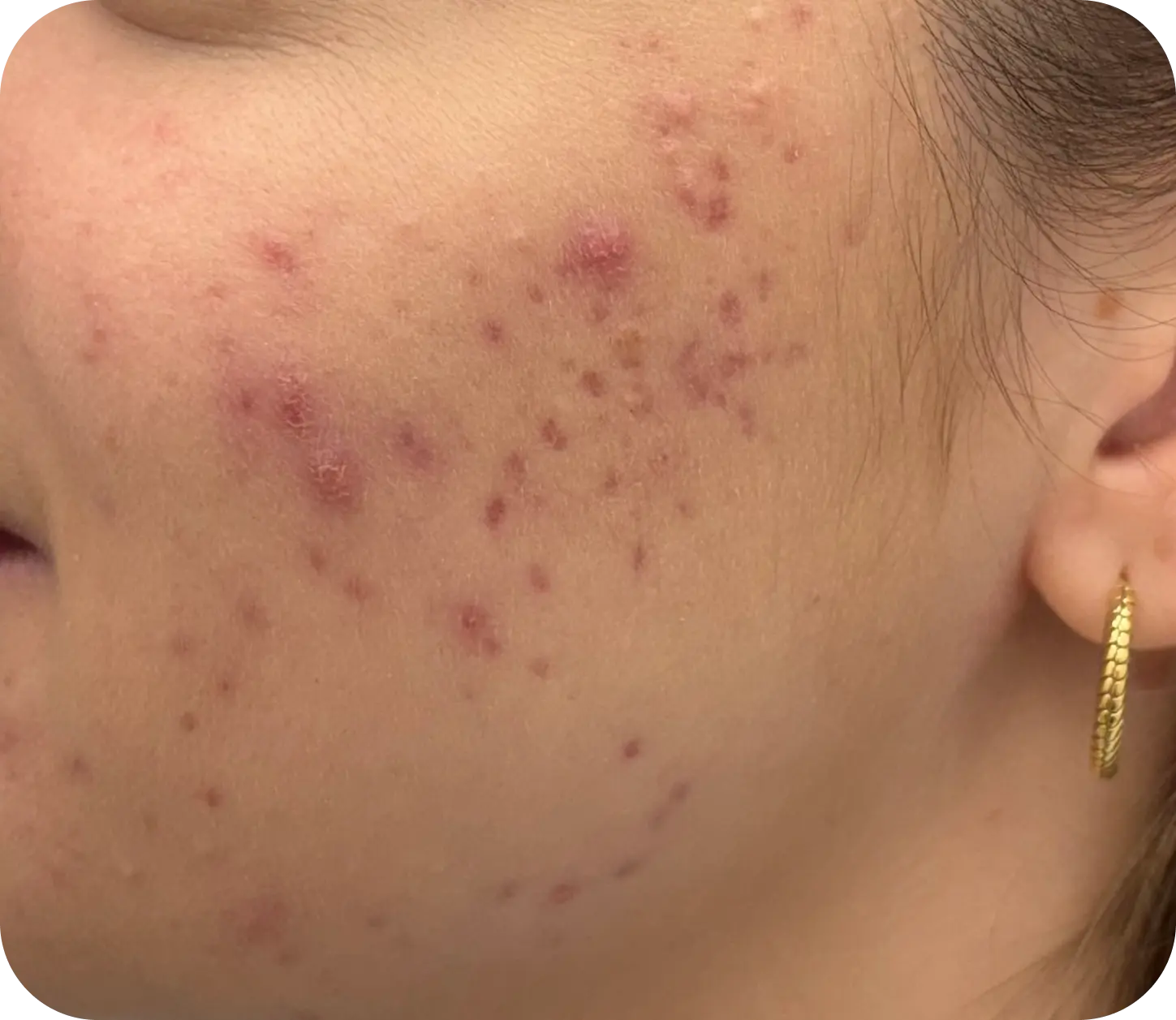
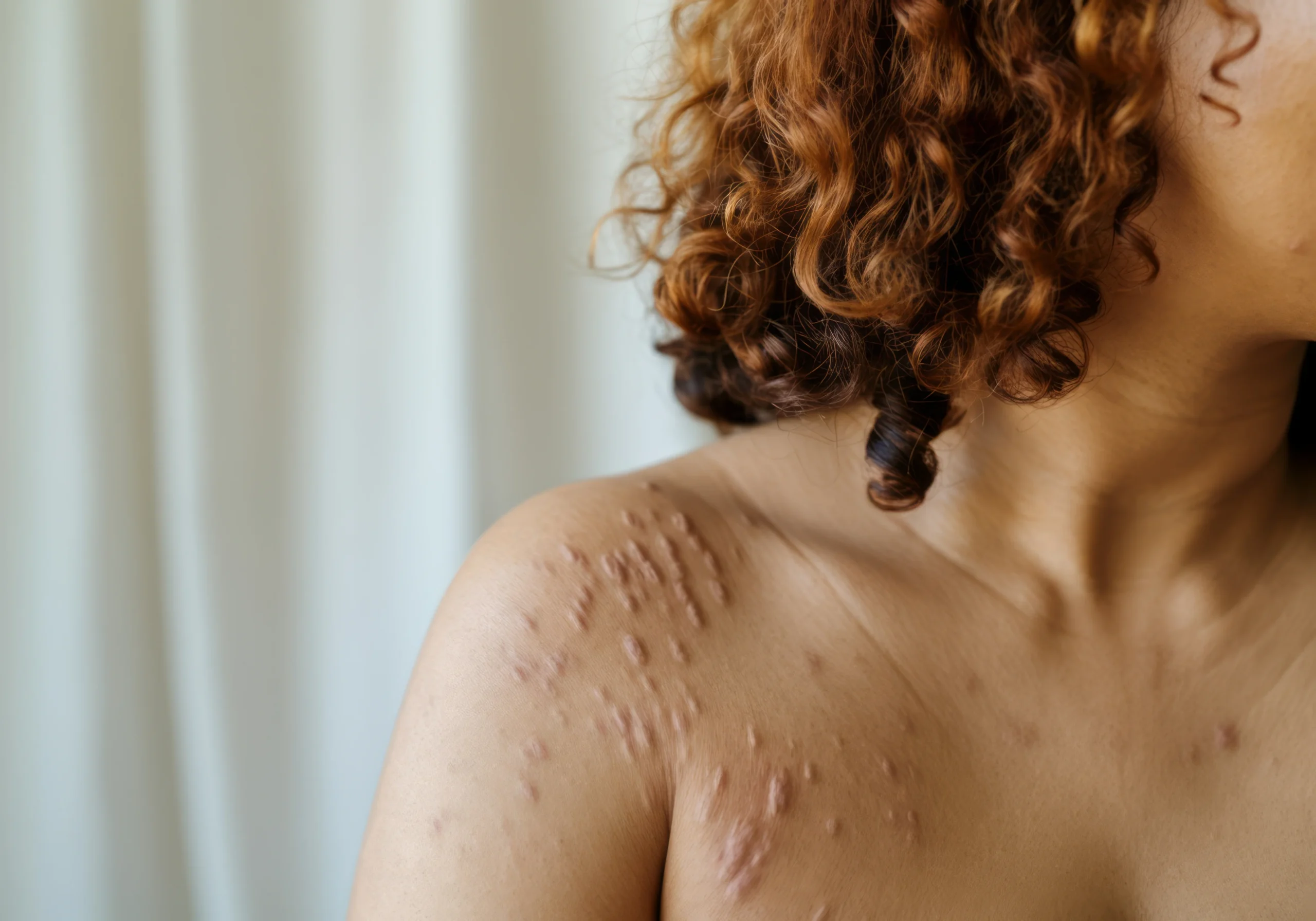
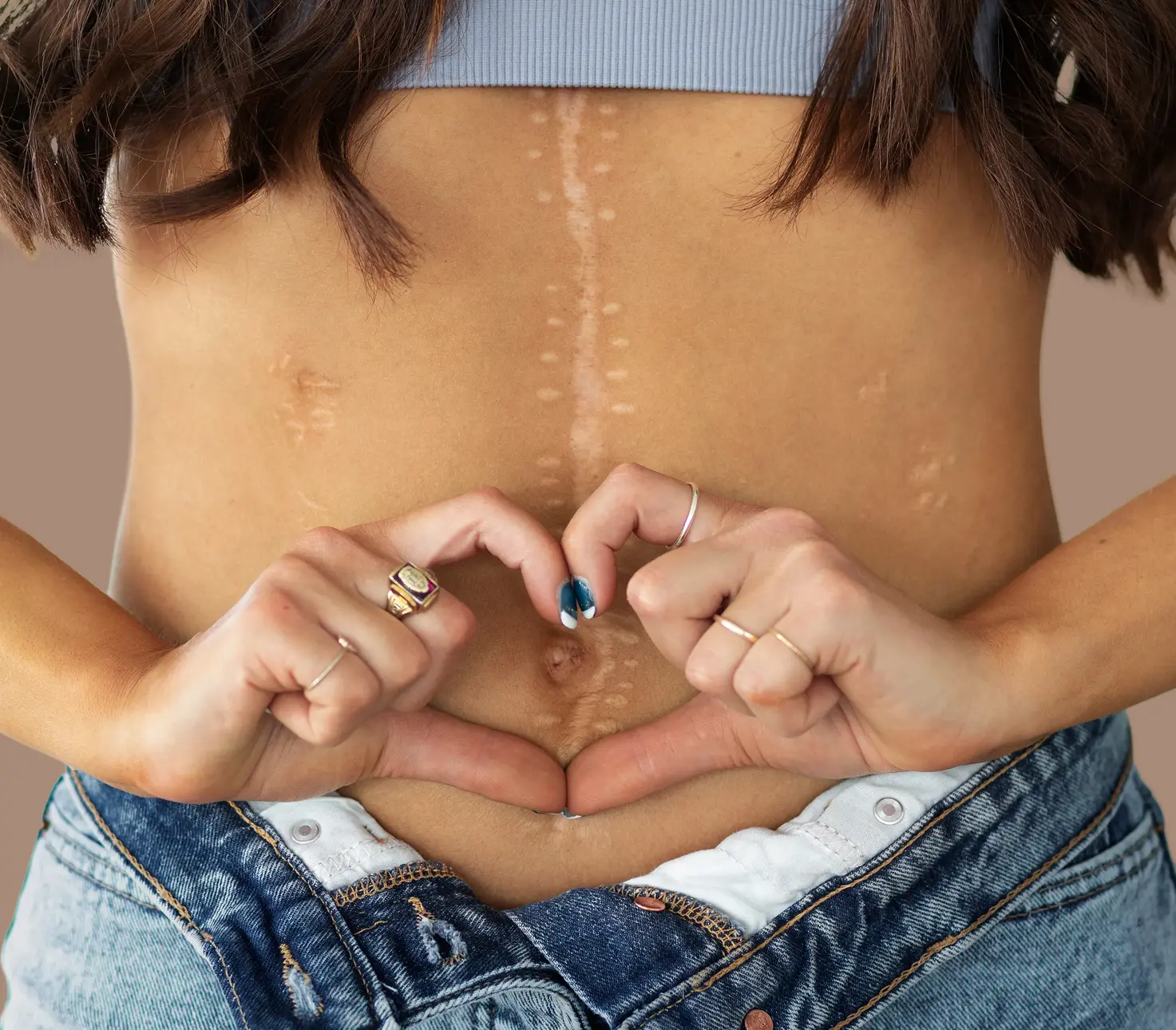
Scars form as part of the skin’s healing process after an injury, inflammation, acne breakout, procedure, burn, or other skin change. Some scars are flat and become less noticeable over time. Others may be indented, textured, raised, thickened, darker, lighter, or more visible than the surrounding skin. A scar can also look different depending on its cause, age, location, and your skin characteristics. Careful assessment is important because post-inflammatory marks, pigmentation changes, and active acne are not always true scars and may require a different approach.
Scar

What May Influence Scar Appearance?

Scar appearance can be influenced by factors such as:

Acne breakouts or previous skin inflammation

Injury, surgery, burns, or other trauma

The depth and location of the original skin change

Genetics and family history

Skin tone and tendency toward pigment changes

Delayed healing or infection

Repeated tension or movement in the affected area

Sun exposure during healing

Previous treatments and skin-care practices

Different scar types may need different forms of care. An indented acne scar may be approached differently from a raised scar, surgical scar, burn scar, or post-inflammatory mark.
Scar

Changes People May Notice

People may seek consultation for concerns such as:
  • Indented or uneven acne scars
  • Textural changes after a previous breakout or injury
  • Flat scars that remain visible after healing
  • Scar-related changes in colour or tone
  • Uneven-looking texture in an area affected by acne, injury, or previous treatment
  • Marks that are mistaken for scars but may be pigmentation or post-inflammatory changes
  • Concerns about whether an aesthetic treatment may be appropriate
Treatment recommendations are based on individual assessment. Not every scar or skin mark is suitable for the same approach.

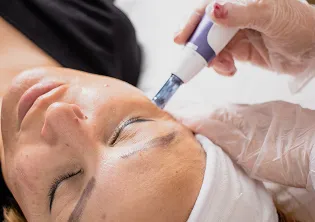
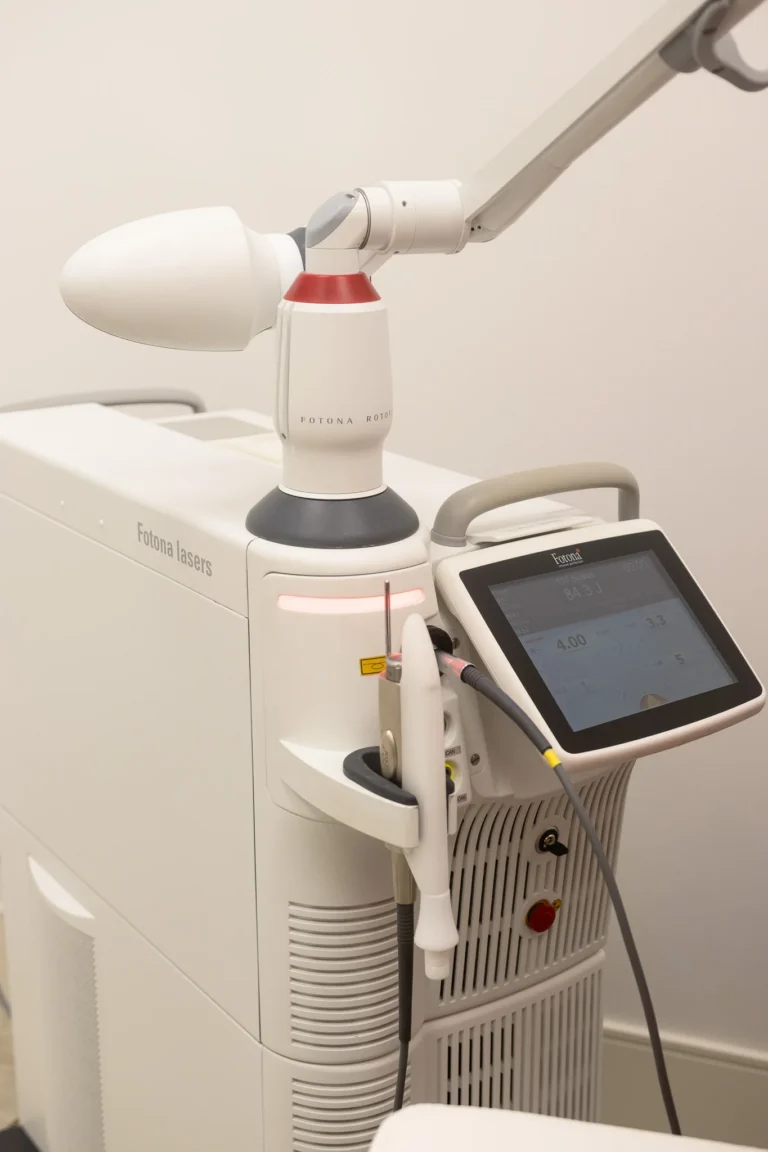
Treatment Options for Selected Scar Types

Treatment recommendations depend on the scar type, location, depth, age, skin characteristics, treatment history, and whether an aesthetic approach may be appropriate for your goals.

Not every option is appropriate for every scar type. Your provider will explain what treatment may realistically support and whether another care pathway should be considered.

How We Personalise Your Scar Care Plan

A scar-focused plan may be shaped by:

    The cause, location, age, depth, texture, and appearance of the scar

    Whether the concern involves acne scars, injury-related scars, surgical scars, pigmentation, or another factor

    Your skin type, tone, sensitivity, and tendency toward pigment changes or raised scarring

    Current skincare products and active ingredients

    Medical history, medications, and previous treatments

    Recent sun exposure and healing history

    Your comfort with preparation, recovery, and ongoing treatment planning

    Whether aesthetic treatment, medical assessment, skincare guidance, or another approach is most appropriate

The goal is not to promise complete scar removal or a standard result. Treatment planning should reflect the nature of the concern, your skin characteristics, and what an appropriate non-surgical approach may realistically support.

When Medical Assessment May Be Important

Some scars and skin changes require medical assessment before aesthetic treatment is considered. Medical assessment may be particularly important if a scar is raised, thickening, painful, itchy, rapidly changing, inflamed, open, bleeding, limiting movement, or associated with a new or uncertain skin change. A physician or other qualified healthcare professional may also need to assess keloid-prone skin, active infection, delayed wound healing, recent surgery, or scars associated with burns or significant injury. Your provider may recommend that you seek medical assessment before proceeding with aesthetic treatment.
Scar Medical Image

Why Choose Nuevo Skin Lab for Scar Treatment?

At Nuevo Skin Lab, scar-focused care begins with careful assessment, clear communication, and attention to the specific characteristics of your skin concern. We take time to understand the changes you have noticed, explain whether an aesthetic option may be appropriate, and recommend treatment only when it suits your skin, scar type, and overall suitability. Our focus is on realistic guidance, thoughtful planning, and clear support throughout your care.
Sun Damage

Scar Treatment FAQs

Selected acne scars, texture-related scars, and some flat or indented scars may be considered for aesthetic treatment after assessment. Raised, thickened, painful, or changing scars may require medical evaluation first.

Book a Scar Consultation

Book a consultation at Nuevo Skin Lab in Lower Lonsdale, North Vancouver, to discuss acne scars, uneven texture, post-blemish marks, or other scar-related skin concerns and find out whether treatment may be appropriate for you.

Visit Nuevo Skin Lab in Lower Lonsdale

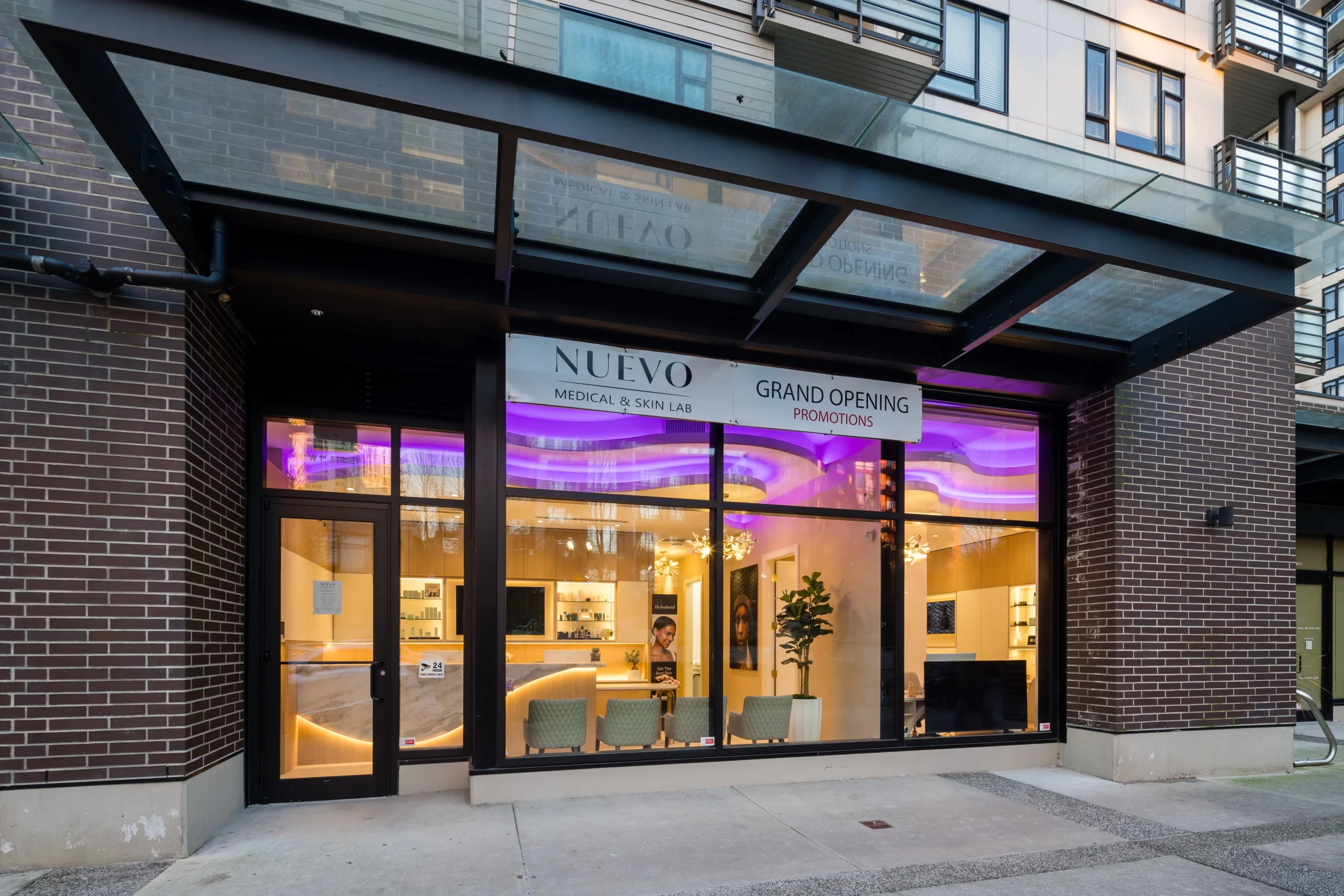
Nuevo Skin Lab is located in Lower Lonsdale, North Vancouver, minutes from Lonsdale Quay. Visit our clinic for personalised aesthetic care in a welcoming, modern setting designed around your comfort and confidence.
Home

Start a Conversation With Our Team

Have a question or would like guidance on your options? Share a few details below, and a member of our team will be in touch.
Contact Us Storefront